
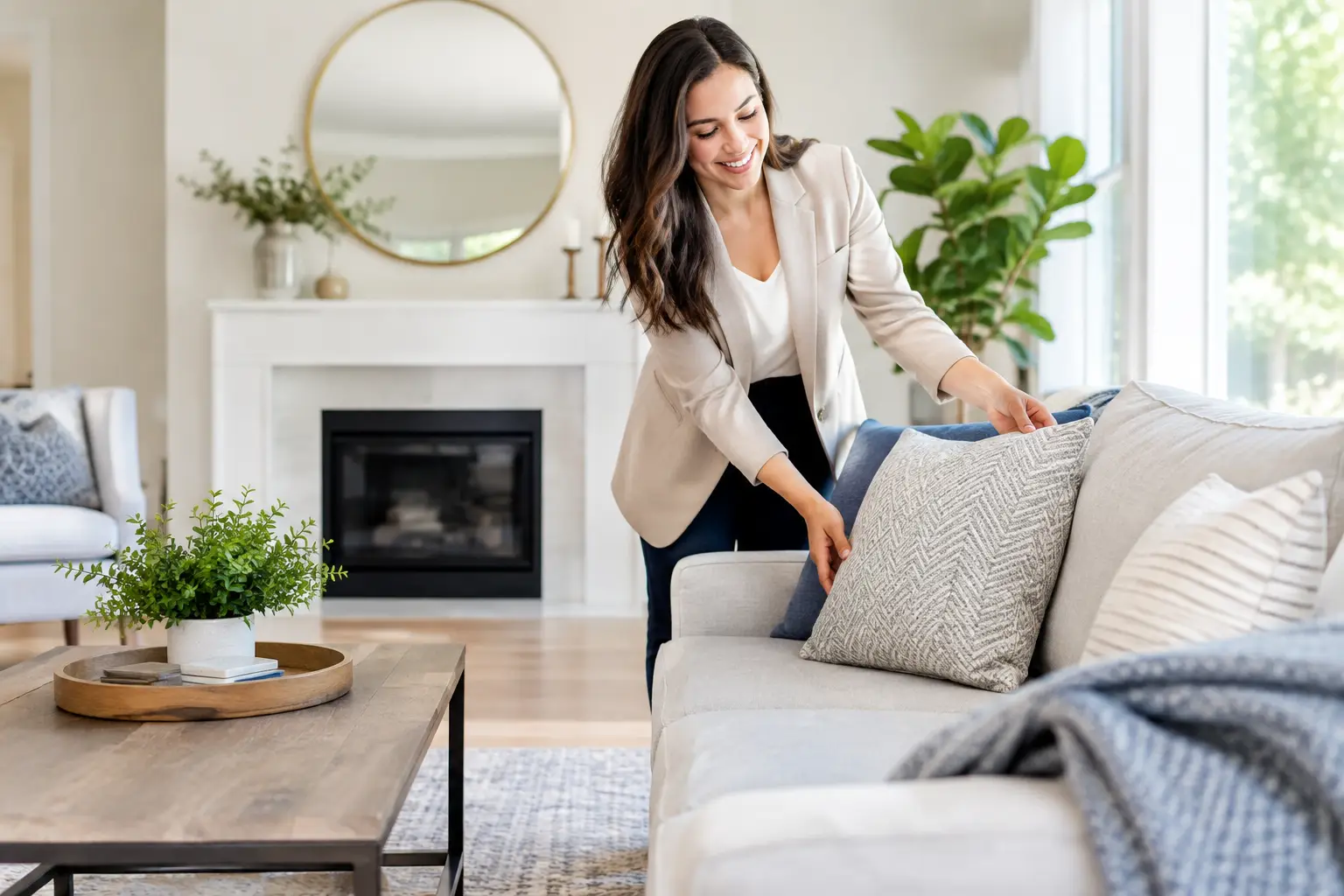
A showing rarely gives buyers much time to decide how a home feels. Within the first few minutes, they notice the entry, the light, the smell, the condition of visible surfaces, and whether the layout supports their life. Knowing how to prepare home showings means controlling those early signals while making it easy for buyers to see the property’s value without distraction.
For Ottawa sellers, preparation also has to account for season, neighborhood expectations, and the price range in which the home will compete. A polished home is not necessarily an expensive-looking home. It is a home that appears well cared for, easy to move into, and priced with its condition in mind.
How to Prepare Home Showings Before Buyers Arrive
The work begins before the first appointment is scheduled. Cleanliness is the baseline, not the finishing touch. Buyers may forgive an older kitchen or a compact bedroom if the home feels maintained. They are less likely to overlook visible grime, crowded rooms, unpleasant odors, or small repair issues that suggest larger problems may be hiding.
Start with a room-by-room review from the perspective of someone seeing the property for the first time. Stand at the front door and note what is immediately visible. Then walk through each room slowly. Look for burnt-out bulbs, scuffed walls, loose handles, damaged caulking, overflowing storage, and personal items that make it difficult for a buyer to picture themselves there.
Address repairs strategically. A dripping faucet, a door that sticks, or a missing switch plate may seem minor, but several small defects can create an impression of deferred maintenance. Major improvements require more careful analysis. Replacing a roof near the end of its useful life may be sensible; fully renovating a kitchen shortly before listing may not deliver a matching return. The right decision depends on your home’s condition, competing listings, expected sale price, and timing.
A deep clean should include windows, baseboards, appliances, bathrooms, floors, vents, and closets. Closets matter because buyers open them. Clear enough space that storage looks functional rather than strained. If pets live in the home, remove litter, beds, feeding areas, and as much evidence of pet odor or hair as possible before every showing.
Stage for Clarity, Not for Someone Else’s Lifestyle
Staging is often misunderstood as decorating. Its real purpose is to clarify scale, flow, and use. Buyers should understand where they would eat, work, relax, store belongings, and welcome guests. Empty rooms can feel smaller than they are, while overfurnished rooms can hide their actual dimensions.
Remove excess furniture first. In many homes, creating clear pathways and visible floor space has more impact than adding accessories. Keep surfaces simple, especially kitchen counters, bathroom vanities, nightstands, and desks. Family photos, political items, valuables, and highly personal collections should be packed away. This is not about erasing the home’s personality. It is about allowing a wider range of buyers to form their own connection to it.
Light makes a meaningful difference. Open blinds and curtains, clean the glass, and turn on lamps in darker corners. Replace mismatched or harsh bulbs so the color temperature feels consistent from room to room. During Ottawa’s shorter winter days, well-lit interiors are especially important. In warmer months, outdoor spaces should receive the same attention as the living room. Sweep the deck, arrange a few pieces of furniture if space allows, and show buyers how the yard, balcony, or patio can be used.
Avoid strong scents. Fresh air and a clean home are more convincing than candles, air fresheners, or heavily scented cleaning products. Buyers can interpret an overpowering fragrance as an attempt to cover an issue.
Make the Exterior Support the Price
Buyers begin evaluating the property before they enter. The approach to the home should reinforce the asking price and the marketing photos, not create doubt before the front door opens.
Keep the walkway clear, the entry tidy, and house numbers easy to read. In winter, remove snow and ice promptly, apply traction material where needed, and ensure the front entrance is safe. In spring and summer, trim overgrowth, mow the lawn, remove weeds, and clear leaves or debris from eavestroughs and outdoor corners. A freshly painted front door or updated hardware can help, but basic maintenance usually matters more.
For condos and townhomes, sellers have less control over shared areas. Focus on the private entrance, balcony, parking information, storage area, and the route a buyer will take from the building entrance to the unit. If there is a feature that is not obvious, such as a locker, visitor parking, or a useful nearby entrance, make sure your agent can point it out clearly.
Create a Showing Plan That Protects Your Position
A home should be accessible enough to capture serious demand, but showing access does not mean leaving your household unprotected. Before listing, establish a clear routine for appointments, notice requirements, pets, and security. The easier the process is for qualified buyers and their agents, the more likely your home is to be included in a busy day of tours.
Remove prescription medication, jewelry, cash, firearms, financial paperwork, spare keys, and sensitive documents. Secure personal data as carefully as physical valuables. Mail, calendars, computer screens, family schedules, and children’s information can reveal more than sellers realize.
You should also plan where everyone goes during a showing. Sellers, children, and pets should generally be out of the house. Buyers tend to speak more openly when the owner is not present, and they need room to explore without feeling watched. If leaving for every appointment is difficult, prepare a simple grab-and-go kit with keys, chargers, pet supplies, and anything needed to leave quickly.
A practical pre-showing routine keeps last-minute stress from undermining the work you have already done:
- Open blinds, switch on lights, and set the thermostat to a comfortable temperature.
- Put away dishes, laundry, toiletries, pet items, and daily clutter.
- Wipe kitchen and bathroom surfaces, empty trash, and check for odors.
- Secure valuables and confirm doors, garage access, and any alarm instructions.
- Leave the property a few minutes before the appointment begins.
Prepare for Questions Without Overselling
Buyers will form opinions from the home itself, but they also want confidence about the details behind it. Gather documents and information early: utility costs where available, dates of major improvements, appliance manuals, warranty information, permit records, condo documents when applicable, and known service history for heating, cooling, roofing, or other key systems.
This preparation does not mean making broad claims about features, schools, future development, or resale value. Precise information is more persuasive and better protects you than casual assurances. If a renovation was completed in 2022, say that. If a basement was finished without permits, disclose the facts and get advice on how to position it. Buyers and their representatives will investigate, and surprises can weaken negotiations later.
Sellers should also understand the difference between a showing and a negotiation. An interested buyer may compliment the home, ask about your timeline, or indicate they are considering an offer. Those comments are not terms. Your representative should manage follow-up, feedback, and offer strategy so that enthusiasm does not lead you to reveal more urgency than necessary.
Adjust the Home as Feedback Comes In
The first showing plan is not always the final one. If several buyers visit but no one returns, the feedback may point to a presentation issue, a condition concern, or a mismatch between price and market expectations. Feedback is useful only when interpreted alongside showing activity, comparable sales, online engagement, and the quality of competing homes.
Do not react to one comment by repainting a room or cutting the price. Look for patterns. If multiple buyers mention dark rooms, improve lighting and window treatments. If they consistently question a dated bathroom, decide whether a modest refresh, a pricing adjustment, or stronger context around the home’s other features is the smarter response. A disciplined response protects both your time and your negotiating position.
Before the next buyer walks through your door, ask one practical question: does this home make its best case without anyone needing to explain it? That standard keeps preparation focused on what matters - confidence, condition, and a clear reason to act.





Join The Discussion