
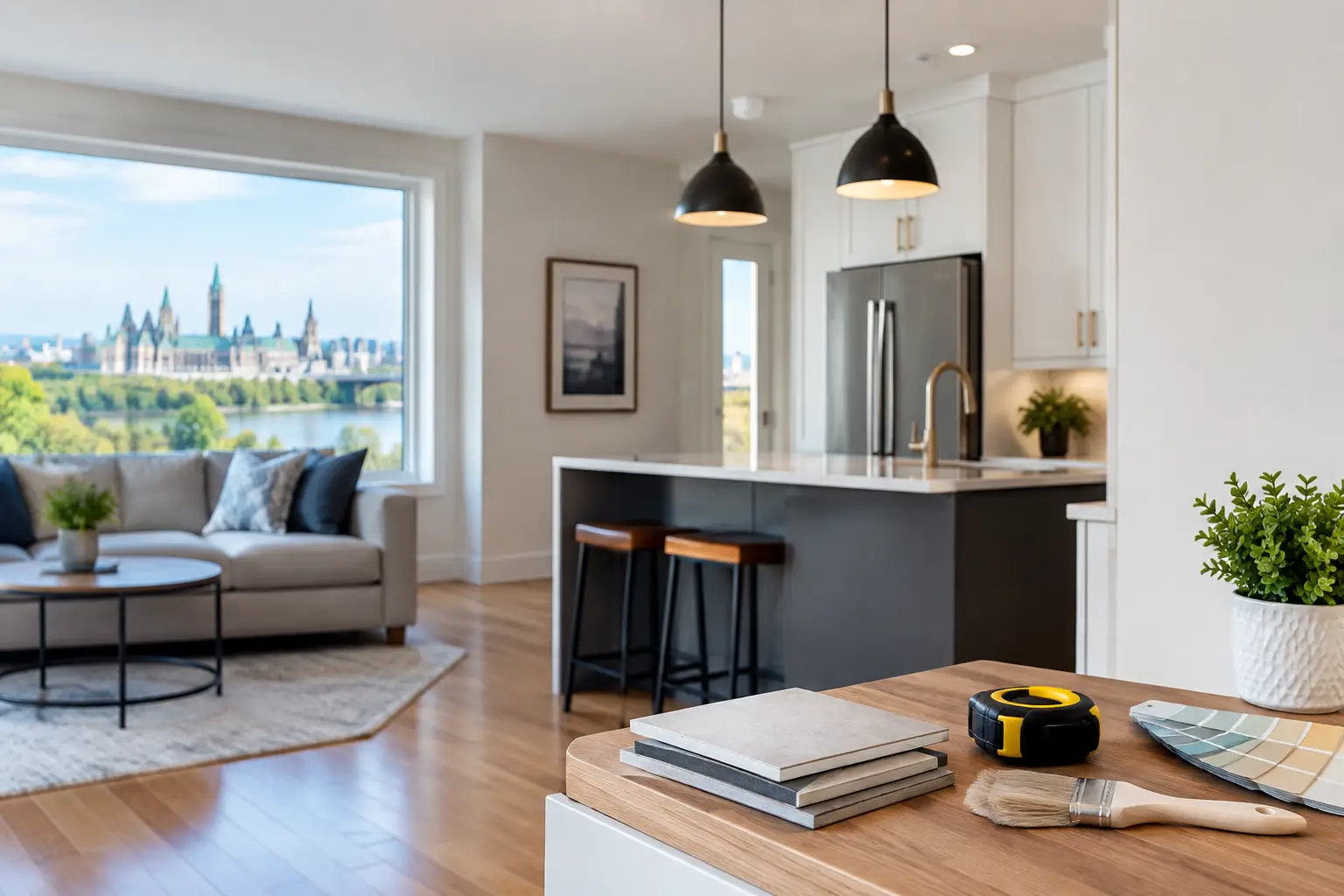
A seller can spend $20,000 improving a home and still leave buyers focused on the one issue that was not addressed: a tired roof, an aging furnace, water damage, or a kitchen that feels difficult to use. The best upgrades for resale value are not always the most dramatic. They are the improvements that reduce buyer uncertainty, make the home easier to picture living in, and support a confident offer.
In Ottawa, that calculation is especially practical. Buyers weigh appearance against the realities of winter, heating costs, maintenance, commute patterns, and the price of comparable homes in the neighborhood. Before committing to a renovation, assess the property through a buyer's eyes and compare its current condition to competing listings in its price range.
Start With the Upgrades Buyers Cannot Ignore
A well-presented home cannot fully overcome visible deferred maintenance. Buyers may accept an older kitchen or bathroom if the house appears structurally sound, dry, clean, and responsibly maintained. They are far less forgiving when they believe they will inherit an expensive surprise soon after closing.
Prioritize fundamental systems before cosmetic projects. This can include roof repairs or replacement when the roof is near the end of its useful life, correcting drainage problems, addressing foundation moisture, repairing damaged siding or masonry, and servicing mechanical systems. A reliable furnace, functional air conditioning, updated electrical components where needed, and clearly documented maintenance can protect value even when they do not create a dramatic listing photo.
This does not mean every older component must be replaced before selling. A furnace that is working properly but is nearing the end of its expected life may be best handled through accurate disclosure and pricing rather than an automatic replacement. The right decision depends on the home's market position, condition, and the likely buyer pool. An inspection-minded buyer will notice the difference between normal aging and neglected maintenance.
Make the Home Feel Dry, Bright, and Well Cared For
Water concerns can quickly reshape a buyer's perception of risk. Repair leaks, clean gutters, improve grading where water is moving toward the house, and resolve visible moisture staining before listing. Basements deserve particular attention in Ottawa, where buyers often expect usable lower-level space and want confidence that it will remain dry through seasonal weather changes.
Light is another high-value improvement because it changes how every room feels. Replace failed light fixtures, use consistent warm-white bulbs, clean windows thoroughly, and remove heavy window treatments that block natural light. These are relatively modest changes, but they improve photography, showings, and the emotional first impression of the home.
The Best Upgrades for Resale Value Are Often in the Kitchen
Kitchens influence buyer decisions because they are visible, heavily used, and expensive to renovate. Yet a full kitchen rebuild is not automatically the highest-return project. If surrounding homes at a similar price point have renovated kitchens, an outdated space may limit interest. If your home is already priced below renovated competitors, a focused refresh can be more financially disciplined than installing a premium kitchen that outpaces the neighborhood.
Start by evaluating function. Replace broken cabinet hardware, repair drawers and hinges, update worn faucets, and make sure appliances are clean and operational. Repainting solid cabinet boxes, installing a durable countertop, adding a simple backsplash, and replacing dated lighting can materially change the room without forcing a complete layout redesign.
Avoid highly personal finishes when resale is the objective. A bold cabinet color or specialty countertop may attract one buyer while narrowing appeal for others. Neutral does not need to mean bland. Warm wood tones, restrained colors, quality hardware, and a clean work surface tend to photograph well and allow buyers to imagine their own style.
Bathrooms Need Cleanliness and Function More Than Luxury
Bathrooms are similar. Buyers respond strongly to cleanliness, ventilation, working fixtures, sufficient lighting, and a finished appearance. Regrouting tile, replacing a worn vanity top, repairing caulking, updating a mirror and lighting, and installing a modern faucet can make a dated bathroom feel more credible.
A large luxury bathroom renovation can make sense in a higher-end home where buyer expectations support it. In many resale situations, however, the goal is to remove objections rather than create a spa-level feature that may not be reflected in the final sale price. Keep finishes durable, cohesive, and appropriate for the rest of the home.
Improve First Impressions at the Curb and Front Door
Buyers start forming conclusions before they enter. If the exterior signals deferred maintenance, buyers may assume the same condition exists behind the door. Curb appeal is not about adding elaborate landscaping. It is about showing care, order, and ease of ownership.
Trim overgrown shrubs, edge walkways, remove weeds, repair uneven or damaged steps, and make sure the driveway and entry are clean. Refreshing the front door, house numbers, exterior lighting, and mailbox can create an immediate visual upgrade. In season, simple planters can add color without looking overly staged.
Pay attention to the garage, too. For many Ottawa households, a garage is practical space for vehicles, storage, sports equipment, and winter gear. A functioning door, organized interior, and clear floor area help buyers understand its usefulness. If the garage is being used as overflow storage, reduce it before photography and showings.
Create Flexible, Useful Living Space
The way a home is presented matters as much as its square footage. Buyers increasingly look for a workable home office, guest space, fitness area, playroom, or secondary family room. You do not always need construction to highlight that flexibility.
Declutter rooms that have become storage areas and give each space a clear purpose. A small bedroom can be staged as a compact office. A finished basement should show practical zones rather than miscellaneous furniture. Where a basement is unfinished but dry and well lit, organized storage and a clean utility area can still build confidence.
Major additions and extensive basement conversions require more caution. They can add value when they solve a real shortage in the local market, but costs can escalate quickly, especially if permits, structural changes, plumbing, or egress requirements are involved. Do not assume every finished square foot will return its full cost at resale. Analyze comparable sales first.
Paint, Flooring, and Presentation Can Protect the Sale Price
Fresh paint remains one of the most reliable pre-sale improvements because it signals a clean reset. Choose colors that work across connected rooms and address scuffed trim, patched walls, and mismatched touch-ups. The goal is a home that feels move-in ready, not sterile.
Flooring is worth addressing when it is visibly damaged, heavily worn, or inconsistent in a way that distracts from the layout. Refinishing hardwood can be compelling. Replacing stained carpet may be necessary. But installing an expensive flooring product throughout the home simply to follow a trend may not be wise, particularly if it conflicts with the property's price range.
Professional cleaning, targeted repairs, decluttering, and thoughtful staging often deliver more value than another major renovation. Buyers make fast judgments during a showing. They need to see the room dimensions, storage, condition, and flow without competing with personal items or maintenance distractions.
Spend According to Your Price Range, Not Your Wish List
The most common renovation mistake is over-improving relative to the neighborhood. A premium appliance package, custom built-ins, or a highly specialized outdoor project may be personally rewarding, but resale value depends on what buyers are prepared to pay for that feature in that location.
Before work begins, compare your home with recent sales and active competition. Consider the neighborhood, property type, lot, bedroom count, parking, school access, transit convenience, and current buyer expectations. A townhome in Barrhaven, a detached home in Kanata, and a condo near downtown Ottawa may require very different upgrade strategies.
Keep records for major improvements, warranties, permits, and contractor invoices. These documents do not replace good pricing, but they can reassure buyers and support the home's condition story during negotiations. A strategic pre-listing review can identify which improvements are likely to strengthen marketability and which expenses are better avoided.
The best next step is not choosing the most expensive renovation. It is choosing the work that makes buyers more confident, makes your home compare well, and supports a pricing strategy that fits your specific Ottawa market.





Join The Discussion