
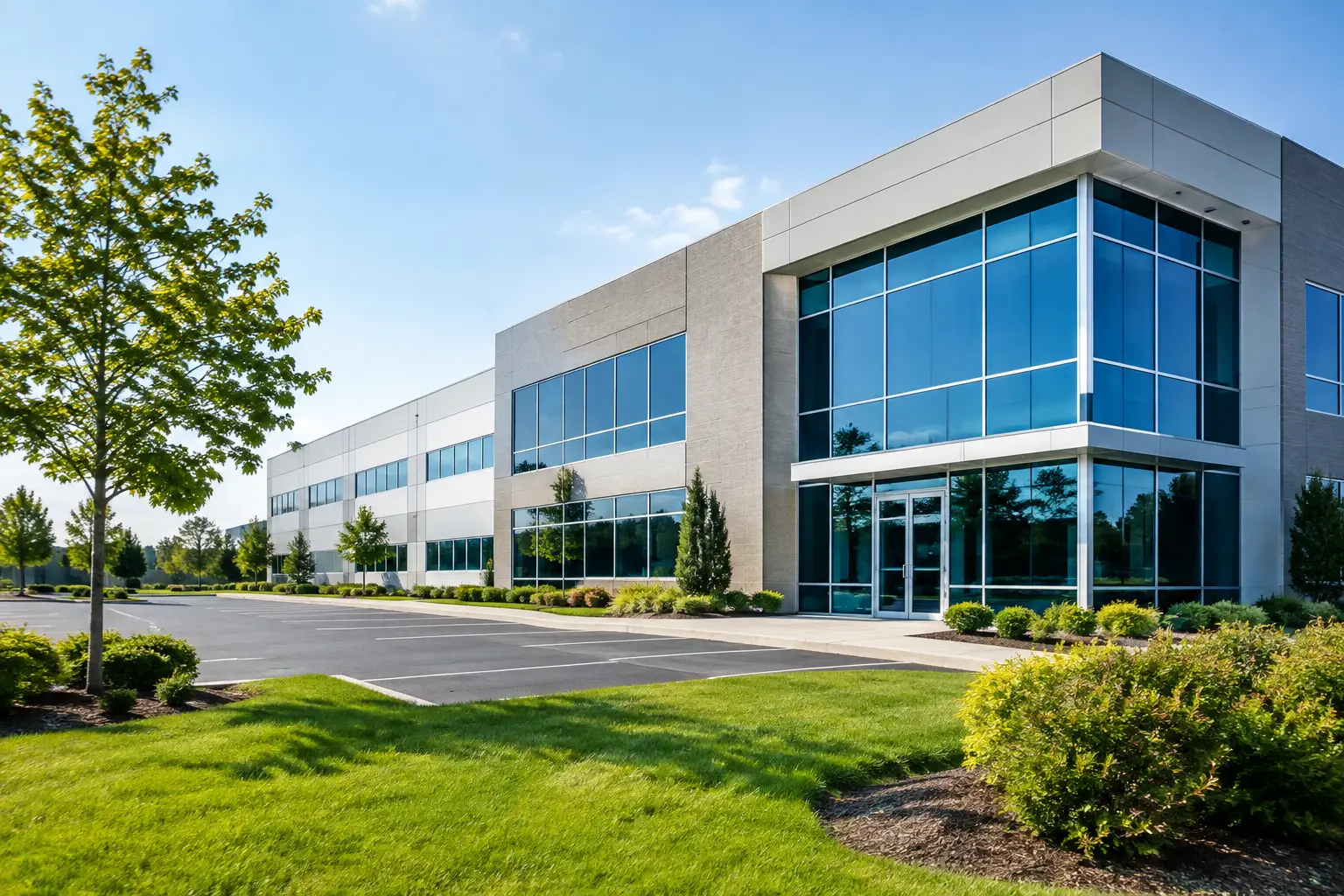
A commercial property can look profitable on a listing sheet and still create years of avoidable pressure. A lease that limits your hours, a building with deferred maintenance, or a location that misses your customer base can change the economics quickly. When evaluating commercial real estate for sale and lease, the right decision starts with the business or investment objective, not simply the asking price or advertised rent.
For Ottawa business owners, landlords, tenants, and investors, commercial decisions often involve more moving parts than a residential purchase. The space must support operations, financing must match the asset, and the contract must protect your position if the market or your plans change. A disciplined process brings clarity to each of those decisions before you commit.
Start With the Role the Property Must Play
Before comparing listings, define what the property is supposed to accomplish. An owner-occupier buying a professional office, a retailer seeking visibility, and an investor acquiring a mixed-use building may all consider the same neighborhood for very different reasons.
For a business owner, the question is whether the space improves operations and supports growth without consuming too much working capital. A larger footprint may give you room to expand, but it can also increase rent, operating costs, fit-up expenses, and staffing needs. For an investor, the focus shifts toward reliable income, tenant quality, expense exposure, financing, and a realistic path to future value.
Location remains central, but the definition of a good location depends on the use. Retail may depend on foot traffic, parking, visibility, and nearby complementary businesses. Industrial users may prioritize loading access, ceiling height, power capacity, highway connections, and zoning. Office users may value transit access, employee convenience, and the quality of the surrounding professional environment.
A property that is well located for one use can be poorly positioned for another. That is why the first step is not finding the lowest price. It is identifying the conditions that cannot be compromised.
Commercial Real Estate for Sale and Lease: Buy or Rent?
The choice between buying and leasing is not a simple calculation of monthly payments. It is a strategic choice about control, capital, flexibility, and risk.
Buying commercial property can create long-term control over occupancy costs and allow the owner to build equity. It may also offer opportunities to lease unused space to another tenant or improve the asset over time. For established businesses with stable space needs, ownership can reduce exposure to future rent increases and provide a valuable asset separate from the operating business.
The trade-off is capital commitment. A commercial purchase typically requires a meaningful down payment, closing costs, inspections, legal review, financing expenses, and reserves for repairs or improvements. The owner also assumes responsibility for building systems, major capital items, property taxes, insurance, and vacancies if part of the property is leased to others.
Leasing preserves capital and can provide more flexibility when a business is growing, testing a new market, or facing an uncertain operating horizon. It can also place maintenance responsibilities on the landlord, depending on the lease structure. However, a tenant should not mistake a lease for a low-risk agreement. Lease terms can shape profitability just as directly as a purchase price.
The practical answer often depends on the strength of the business, the availability of suitable space, the cost of capital, and how predictable future space needs are. Buying may be right for a well-established professional practice. Leasing may be more prudent for a new retailer building demand or a company expecting headcount changes within a few years.
Understand the Number Behind the Number
Commercial listings can present costs in ways that require careful interpretation. Asking rent is only one part of the occupancy cost. A tenant may also pay property taxes, insurance, common-area maintenance, utilities, management fees, and expenses related to repairs or improvements.
A net lease, for example, may advertise an attractive base rent while requiring the tenant to pay a share of operating expenses. A gross lease may include more costs in the stated rent, but exclusions still matter. The only useful comparison is the estimated all-in occupancy cost for each option, measured against the same time period and assumptions.
Purchase analysis requires the same discipline. Investors should look beyond the capitalization rate and confirm the income that actually reaches the owner after normal operating expenses. Is the property fully leased? Are current rents below market, and if so, can they realistically increase? Are leases expiring soon? Does the building need a roof, HVAC replacement, accessibility work, or other capital improvements that will affect returns?
For owner-occupiers, compare ownership costs against leasing costs using realistic assumptions for financing, property taxes, insurance, repairs, and reserves. A lower monthly mortgage payment does not automatically make ownership cheaper if a significant repair is approaching.
Treat Lease Terms as Business Terms
A commercial lease is a business contract, not a standard formality. The rent matters, but so do renewal options, annual increases, exclusivity protections, assignment rights, permitted use, signage, parking, and responsibilities for repairs.
A tenant should understand exactly what happens at the end of the initial term. A renewal option may provide valuable protection, but the wording determines whether the rent is fixed, tied to market rates, or subject to negotiation. An assignment or sublease clause can also be critical if the business is sold, relocated, or needs to reduce its footprint.
For landlords, lease structure should balance income security with the ability to protect the property and future leasing potential. A strong tenant covenant, appropriate guarantees, clear maintenance obligations, and careful use clauses can reduce risk. The goal is not simply to fill space quickly. It is to create a lease that holds up through changes in the tenant's business and the local market.
Due Diligence Should Match the Asset
The deeper the commitment, the more thorough the investigation should be. A small office lease may require a focused review of operating costs and permitted use. A mixed-use acquisition or industrial building can require detailed financial, physical, legal, and zoning analysis.
For a commercial purchase, due diligence commonly includes reviewing leases, rent rolls, expense records, property tax information, title matters, environmental history, building condition, zoning compliance, and financing requirements. If income is part of the investment case, verify the documents behind that income rather than relying on projected figures.
Environmental considerations deserve particular care with certain property types. Former industrial uses, automotive operations, dry-cleaning locations, and sites with fuel storage can carry risks that are not obvious during a walkthrough. The right investigation depends on the property history, but ignoring the issue can lead to an expensive problem after closing.
For tenants, confirm that the zoning and lease permit the intended use before investing in design, equipment, or build-out. Also clarify who pays for improvements, who owns them at lease end, and whether landlord consent is required for changes. A favorable rent does little good if the space cannot legally or practically support the business.
Negotiate for the Next Decision, Not Just This One
The best commercial agreements account for what may happen after the transaction closes. A buyer may need the ability to renovate, lease excess space, or refinance. A tenant may need expansion rights, an early termination framework, or a clear path to transfer the lease if the business is sold.
Timing can create negotiating leverage. A landlord with prolonged vacancy may be more flexible on tenant improvements or free-rent periods. A seller facing a financing deadline may be more open to favorable conditions. At the same time, a property with multiple credible buyers or a highly visible retail location may demand faster, cleaner terms.
This is where local market knowledge matters. Ottawa's commercial landscape is not one market. Downtown office space, Kanata technology corridors, Orleans retail centers, Barrhaven growth areas, and industrial opportunities near major transportation routes can behave differently. Comparable rent, vacancy, tenant demand, and buyer appetite must be assessed at the property and neighborhood level.
Khudair Real Estate Group approaches commercial decisions as strategic transactions, with attention to the numbers, contract terms, and local conditions that shape the outcome. Whether you are purchasing an investment property, leasing your first storefront, or repositioning a commercial asset, the objective is the same: make a decision that protects both your immediate plans and your future options.
The right commercial space should give your business or portfolio room to perform. Before signing, make sure the price, terms, condition, and location all support the result you are working toward.




Join The Discussion